Composite Concrete Pontoon
Engineered and fabricated to meet rigorous standards of quality, durability, and structural performance.
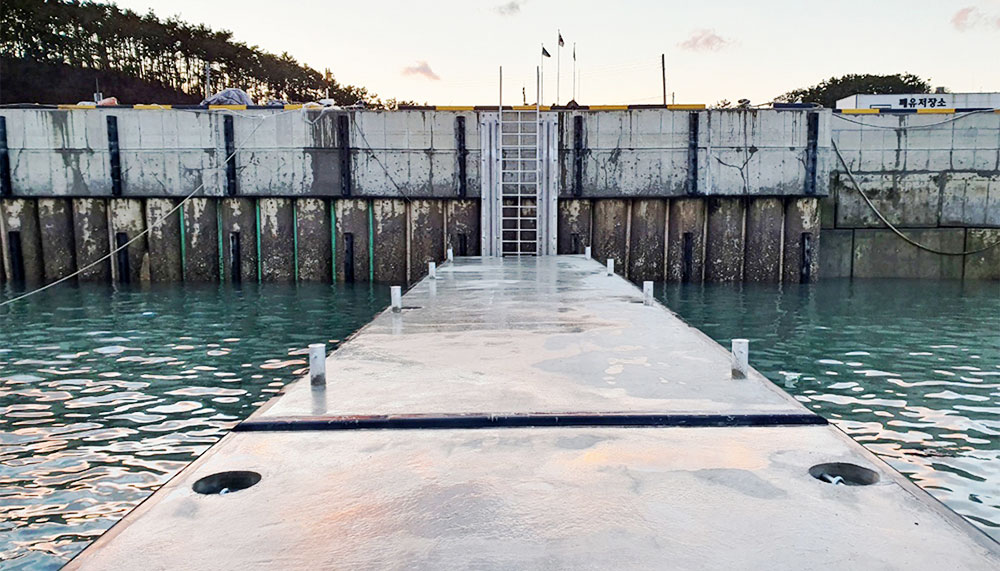
- Composite Concrete PontoonKorea’s First Composite Concrete Pontoon
- Marine Develop Marvel designs, fabricates, and installs composite concrete pontoons and floating bridges that combine concrete with fiber-reinforced plastic (FRP). By integrating the structural strength of concrete with the corrosion resistance and formability of FRP, the system is designed to provide excellent resistance to waves and impact while offering a cost-effective alternative to conventional steel and concrete pontoons. The composite design also addresses the structural limitations of conventional polyethylene (PE) pontoons, providing long-term durability as well as efficient fabrication and installation.
-
Structural Composition Of Composite Concrete Pontoon Bridges
Main Body : Fiber-Reinforced Plastic (FRP) and Concrete
Interior : Watertight Bulkheads and Buoyancy CompartmentsThe primary feature of the composite concrete pontoon is its hybrid structure, which combines fiber-reinforced plastic (FRP) with concrete. Compared with conventional concrete pontoons, this composite design offers reduced weight and improved cost efficiency, while the FRP exterior provides excellent corrosion resistance in marine environments. By combining the structural strength of concrete with the corrosion resistance and impact resistance of FRP, the pontoon provides enhanced safety and resistance to wave loads and impact. The interior is divided by watertight bulkheads and incorporates buoyancy compartments designed to localize damage and limit water ingress. This compartmentalized design helps maintain reserve buoyancy and keeps the pontoon afloat even if part of the structure is damaged.
-
Key Features Of Composite Concrete Pontoons
A composite pontoon system designed for enhanced safety, strength, and reduced weight.
- The flexibility of fiber-reinforced plastic (FRP) helps absorb impacts and reduce damage.
- The concrete upper deck provides rigidity and helps minimize deformation.
- The hybrid structure combines the lightweight properties and corrosion resistance of FRP with the strength and rigidity of concrete.
- Internal bulkheads and buoyancy units help resist external impacts, localize damage, and maintain buoyancy even after partial damage.
- The structure provides excellent resistance to marine corrosion and wave loads.
Marine Develop Marvel manages the entire process in-house, from design and fabrication to installation.
Process Flow
-
01
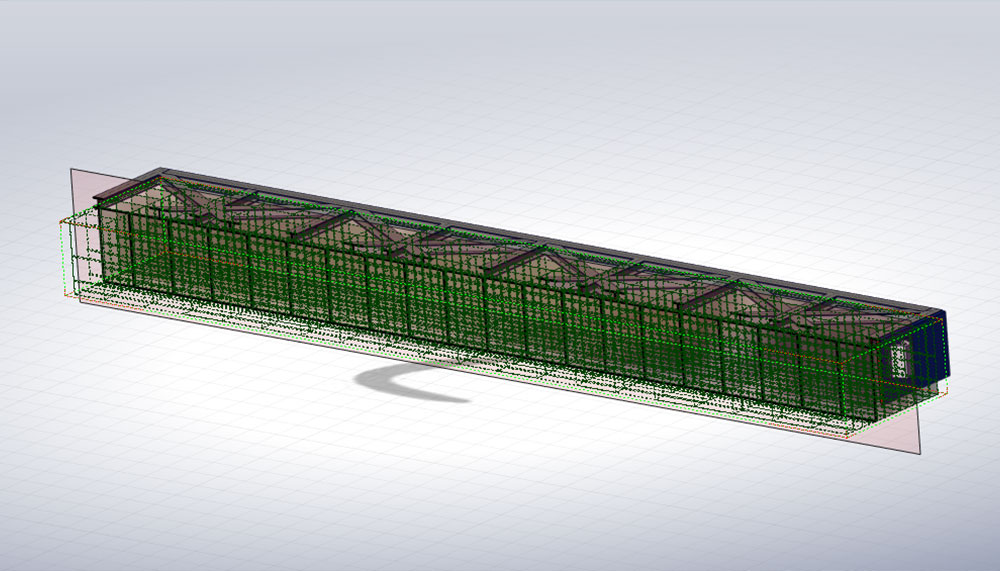
Quotation, Technical Consultation & Design Our designers, cost estimators, and development specialists review the project requirements and provide quotation and technical consultation before developing the design.
-

02
BOM Preparation & Material Procurement A bill of materials (BOM) is prepared, and the required raw materials, components, and auxiliary materials are ordered and prepared in accordance with the contract.
-
03
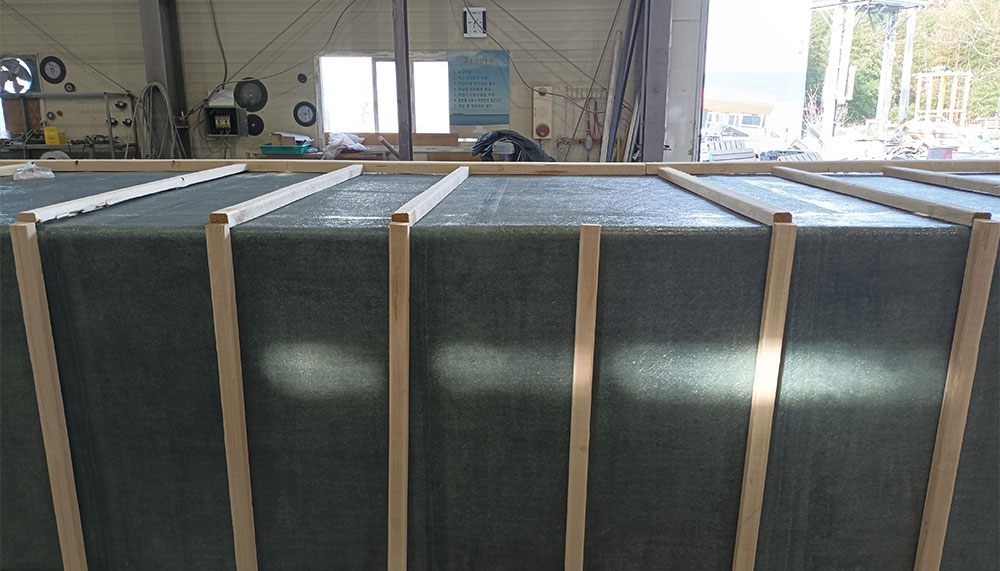
Mold Fabrication A mold is fabricated to form the pontoon’s exterior shell and establish its basic dimensions.
-
04
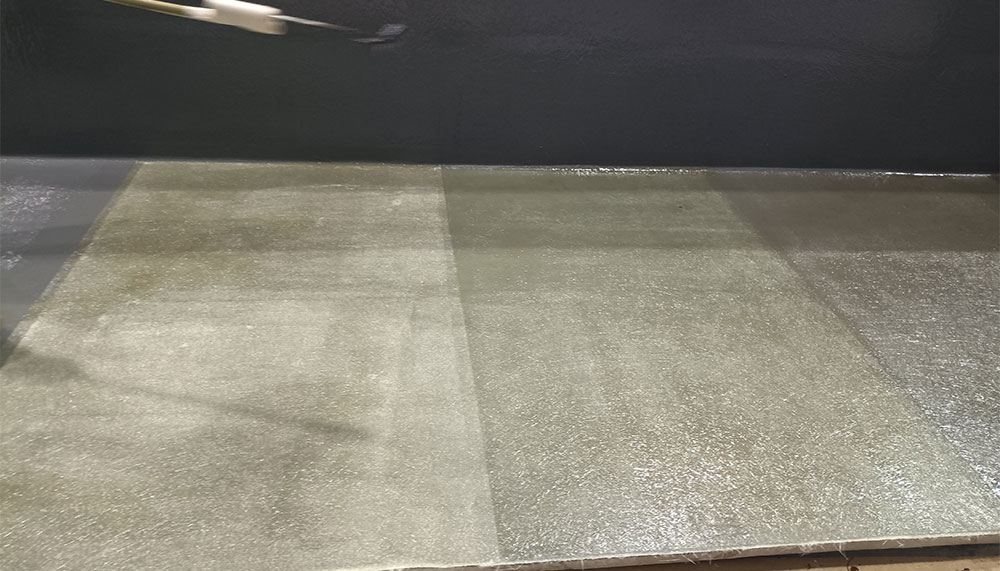
FRP Lamination: Mat, Roving & Resin The exterior shell is formed in the mold by applying the specified plies of mat and roving impregnated with resin in accordance with the design drawings.
-
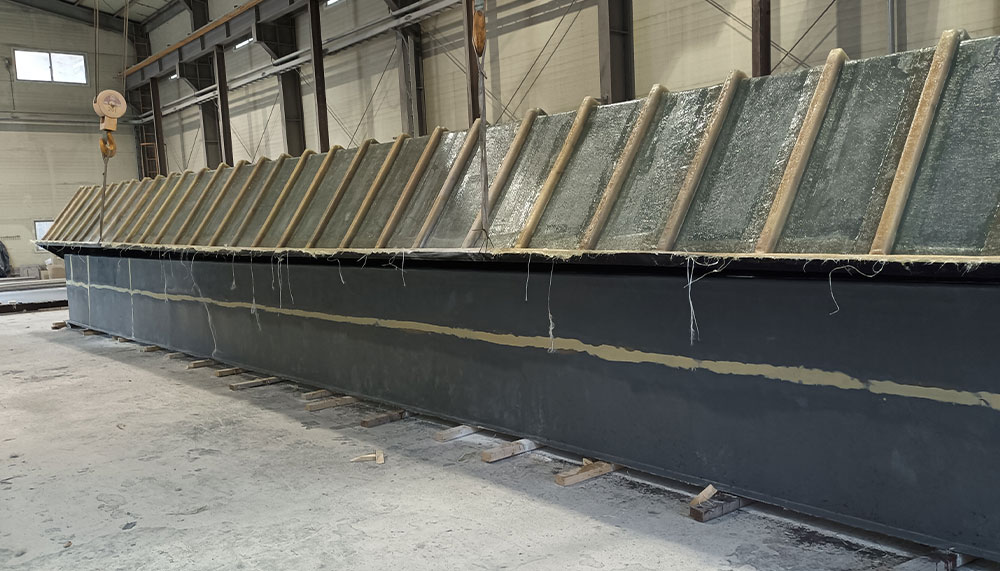
05
Demolding The cured exterior shell is removed from the mold, completing the primary exterior structure.
-
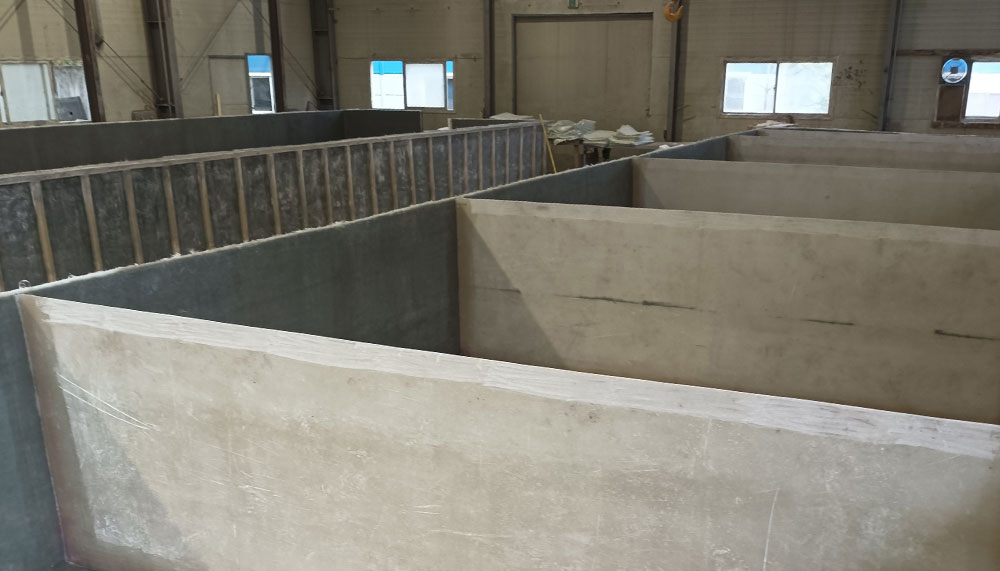
06
Internal Bulkhead Fabrication & Assembly Internal reinforcing bulkheads are fabricated and assembled.
-
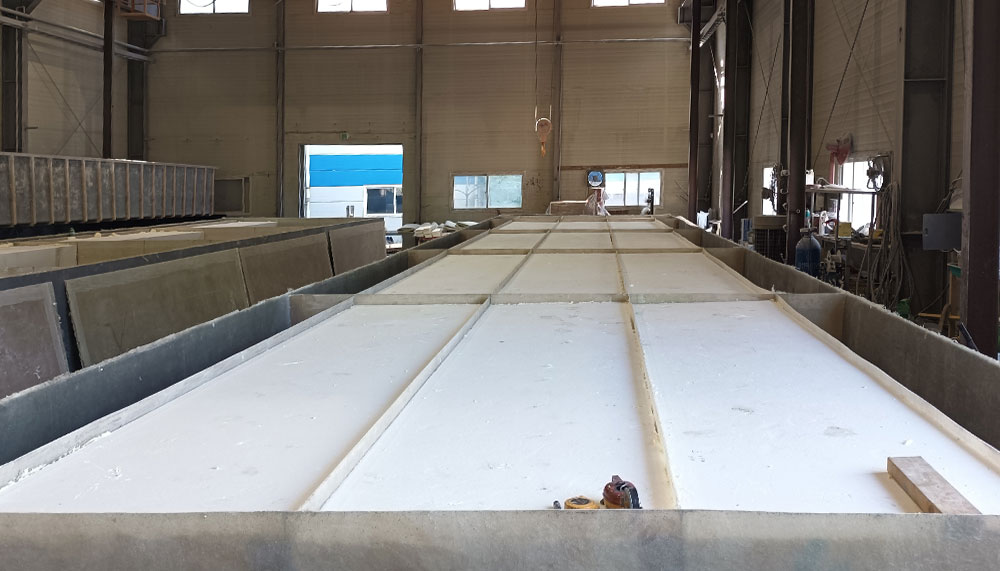
07
Internal Buoyancy Unit Assembly Internal buoyancy units are installed and assembled.
-
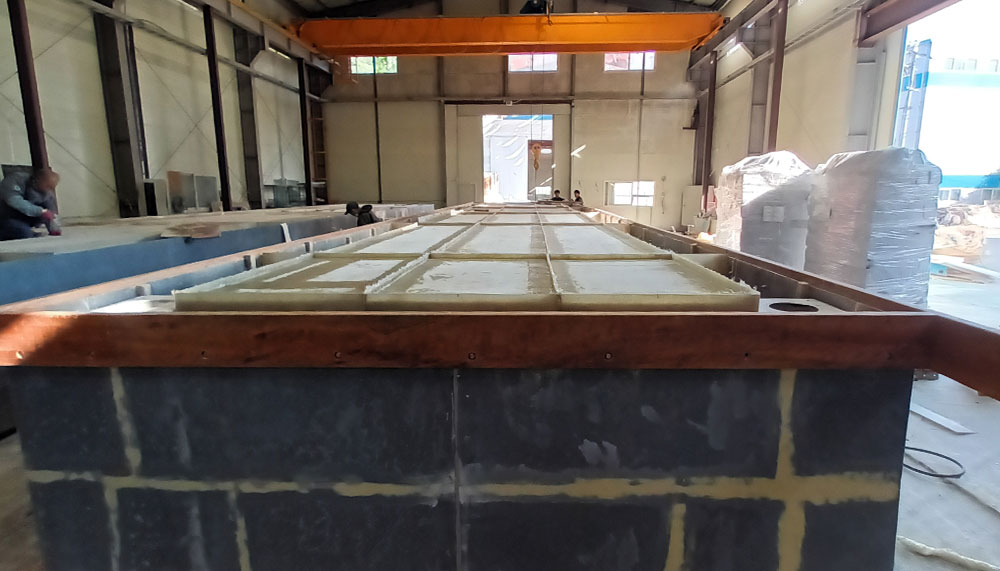
08
Exterior Bracket Assembly Exterior brackets are installed and assembled.
-
09
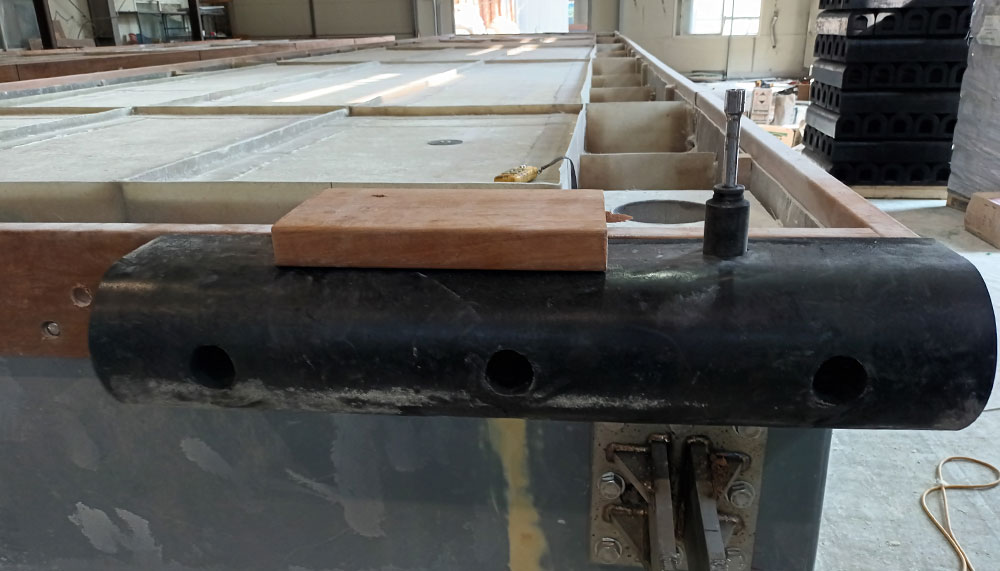
Protective Fender Assembly Protective fenders are installed to help prevent damage caused by external impacts.
-

10
Installation of mooring rings and mooring bitts Install mooring bitts on the upper deck to secure the vessel's mooring lines.
-
11
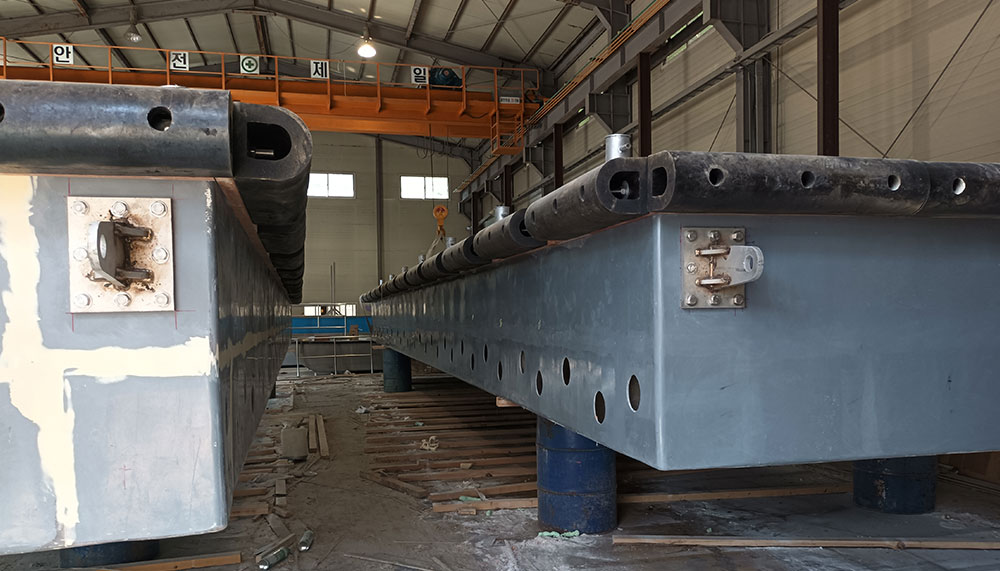
Assembly of Pontoon Connectors Install and assemble the pontoon connectors that link the pontoon units.
-
12
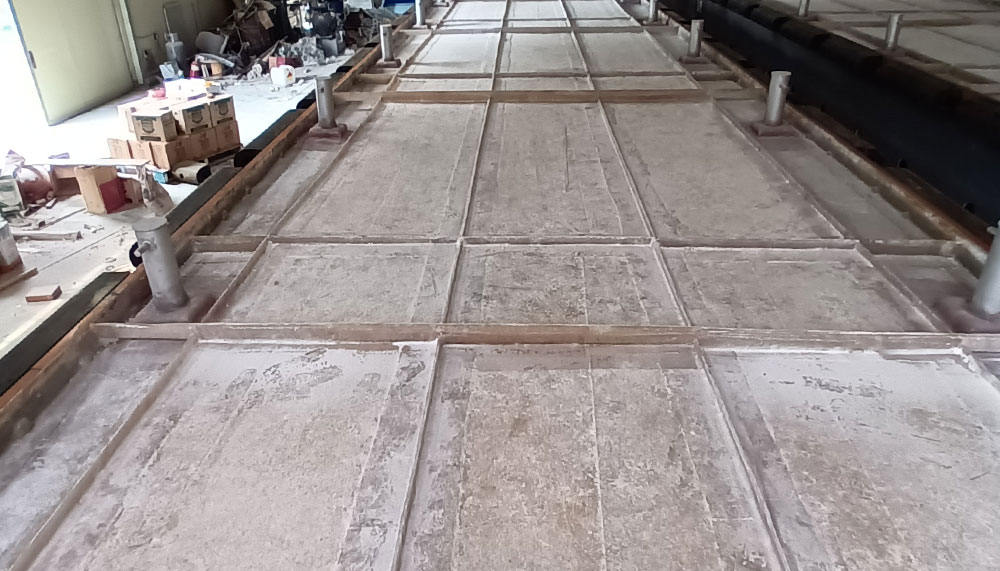
Upper Cover Assembly & FRP Bonding The upper cover is assembled and bonded to the main body by FRP lamination.
-
13
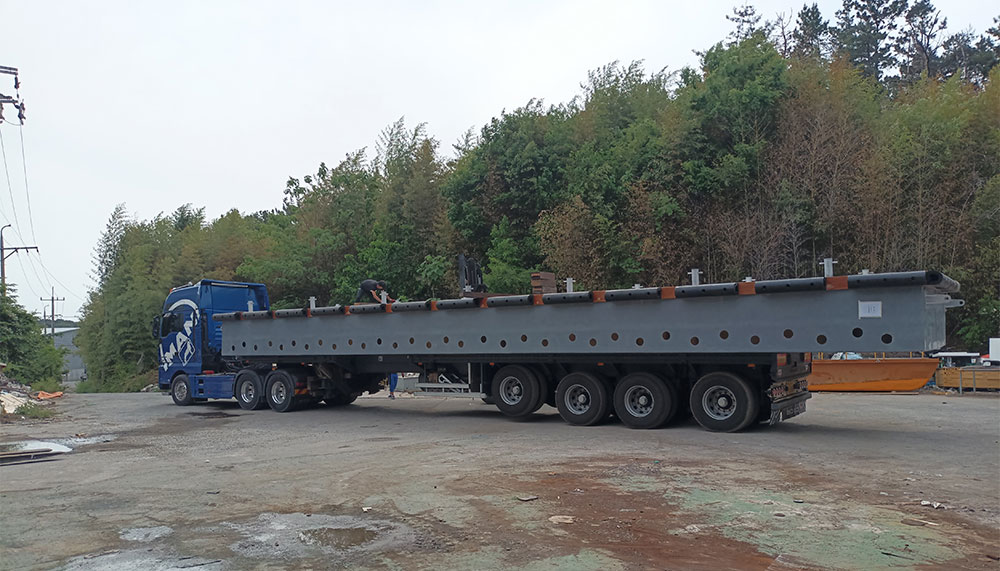
Transportation Transport the completed pontoon modules to the installation site.
-

14
Upper-Deck Concrete PlacementConcrete is placed to form the upper deck.
-
15
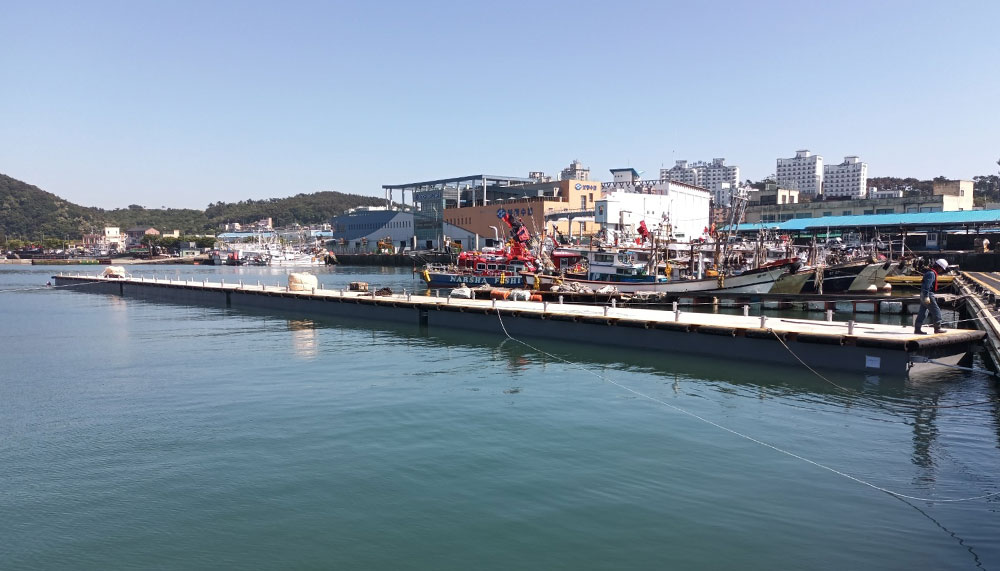
On-Site Installation & AssemblyPosition and assemble the pontoon modules at the site according to the installation plan.
-

16
CompletionA final inspection is conducted upon completion of installation.